
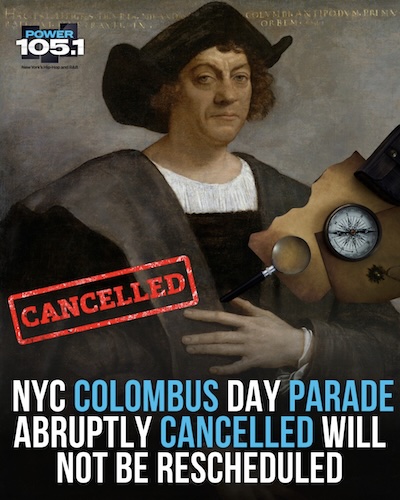
Columbus Day or Indigenous Peoples Day? Trump’s proclamation slams critics
- The second Monday in October is a federal holiday known as Columbus Day, but some now observe it as Indigenous Peoples Day instead.
- Christopher Columbus is a controversial figure, criticized for violence, slavery, and introducing diseases to native populations.
- In 2021, Joe Biden was the first president to officially recognize Indigenous Peoples Day alongside Columbus Day.
- In 2025, Donald Trump issued a proclamation for Columbus Day, condemning critics of the explorer.
The second Monday in October marks Columbus Day, now it’s known to many as Indigenous Peoples Day.
Christopher Columbus has become a controversial figure over the years, despite the federal holiday in his honor. While many credit the explorer with “discovering” America, many others condemn Columbus for forced conversion of native peoples to Christianity, the use of violence and slavery, and the introduction of new diseases that would cause serious and long-lasting harm to Indigenous people.
In 2021, former President Joe Biden became the first president to recognize Indigenous Peoples Day, celebrating it in tandem with Columbus Day. In 2025, President Donald Trump issued a proclamation condemning critics of Columbus.
“We’re calling it Columbus Day,” Trump said Oct. 9.
Here’s what people should know about the upcoming federal holiday, its history, recent changes to the occasion in the U.S. and more.
When is Columbus Day? Indigenous Peoples Day?
Columbus Day/Indigenous Peoples Day takes place on the second Monday in October. This year, that places the date on Oct. 13.
Is Columbus Day and Indigenous Peoples Day a federal holiday?
Columbus Day was first commemorated in 1892 and was made a federal holiday in 1934 by President Franklin D. Roosevelt. On federal holidays, federal government employees generally have the day off. Non-essential government offices, banks and post offices are generally closed on these dates too.
Is it Columbus Day or Indigenous Peoples Day?
The Pew Research Center explains that states and territories designate the second Monday in October differently, with some areas celebrating through a paid holiday for state workers while others use a less formal commemoration
In 2021, Biden recognized both Indigenous Peoples Day and Columbus Day amid widespread concerns that honoring the explorer glorifies the exploitation and genocide of native peoples. Biden was the first president to recognize Indigenous Peoples Day.
Trump’s Columbus Day proclamation
On Oct. 9, Trump issued a proclamation titled “Columbus Day, 2025.”
Trump celebrated Italian explorer Columbus as “the original American hero” in the proclamation, accusing his critics of slander.
“Outrageously, in recent years, Christopher Columbus has been a prime target of a vicious and merciless campaign to erase our history, slander our heroes, and attack our heritage,” reads the proclamation.
Why is Columbus Day in October?
Britannica explains that Columbus Day commemorates the landing of Christopher Columbus in the Americas on Oct. 12, 1492. Originally, the date was observed on Oct. 12; since 1971, it has been observed on the second Monday in October.