Kentucky public university presidents urge support for federal college sports bill
Presidents of Kentucky’s nine public higher education institutions are jointly urging the state’s two U.S. senators to support federal legislation that would establish nationwide rules governing name, image and likeness compensation, athlete eligibility, transfers and other rapidly changing areas of college sports.
In a letter dated Sept. 9 to U.S. Sens. Mitch McConnell and Rand Paul, the university presidents expressed support for the Protect College Sports Act of 2026, arguing that the current combination of differing state laws, litigation and changing athletic rules has created an increasingly difficult environment for universities and student-athletes.
The letter was signed by:
- University of Louisville President Gerry Bradley,
- University of Kentucky President Eli Capilouto,
- Western Kentucky University President Timothy C. Caboni,
- Northern Kentucky University President Cady Short-Thompson,
- Eastern Kentucky University President David T. McFaddin,
- Morehead State University President Jay Morgan,
- Murray State University President Ron K. Patterson,
- Kentucky Community and Technical College System President Ryan Quarles,
- Kentucky State University President Koffi C. Akakpo.
The university leaders said the legislation would not resolve every issue confronting college athletics but described a national framework as necessary as schools adapt to major changes in the way athletes are compensated and teams are constructed.
“College athletics is operating in an increasingly uncertain environment shaped by a patchwork of state laws, ongoing litigation, and rapidly changing rules governing NIL, transfers, eligibility, and athlete compensation,” the presidents wrote.
The issue, they said, extends beyond major football and basketball programs.
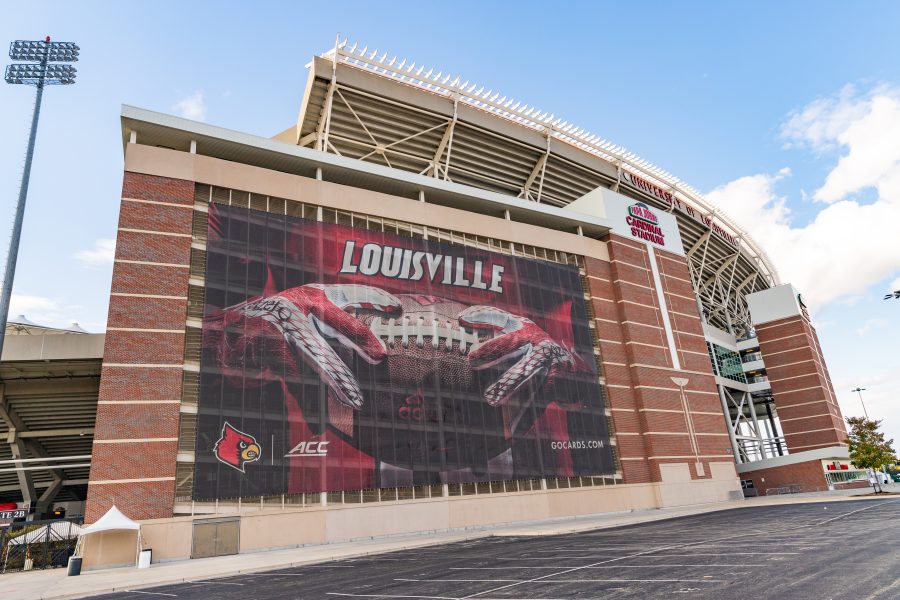
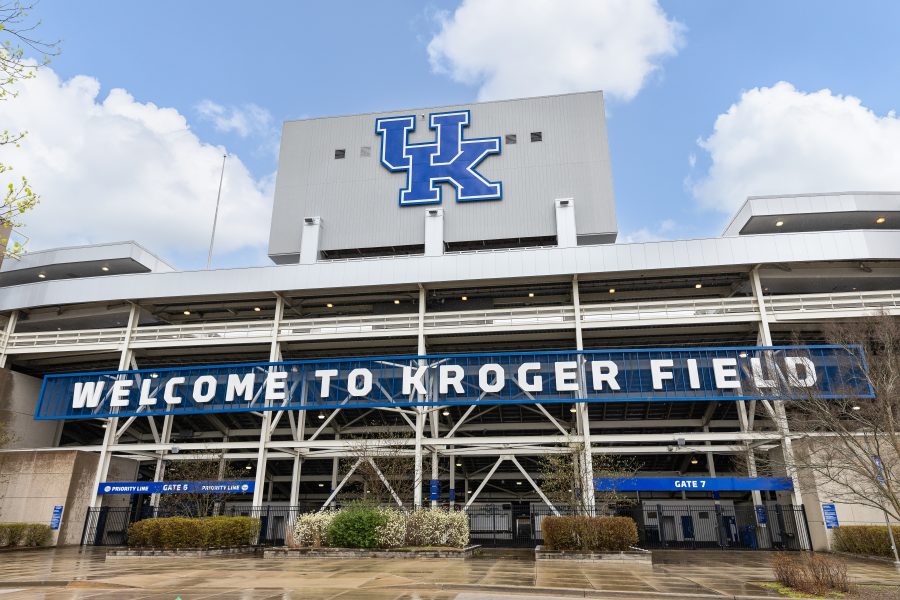
Kentucky’s public institutions operate athletic departments of considerably different sizes and financial resources, ranging from Power Four programs at UK and UofL to regional universities where athletics can play a significant role in enrollment, student opportunities and community engagement.
The presidents specifically raised concerns about the financial pressure the changing college sports model could place on women’s sports and Olympic sports.
“The current system is unsustainable,” the letter states. “Without a uniform national standard, institutions face growing uncertainty and competitive imbalances that make long-term planning difficult.”
What would the Protect College Sports Act do?
The Protect College Sports Act of 2026, S. 4668, would establish a federal regulatory framework for college athletes’ NIL agreements while affirming athletes’ right to receive compensation from those agreements.
The Congressional Budget Office says the legislation also would provide certain antitrust exemptions for colleges, athletic conferences and associations and establish a Congressional Commission on the Future of College Athletics.
The measure has bipartisan sponsorship and was advanced by the Senate Commerce, Science and Transportation Committee in June on a 19-9 vote, sending it to the full Senate for consideration.
A revised version of the legislation was released in August.
Among the changes was language designed to create a “hard” revenue-sharing cap and include certain payments from entities associated with universities when calculating that cap. The revised legislation also added certification requirements involving multimedia rights holders, sponsors, apparel companies and vendors in an effort to distinguish legitimate NIL agreements.
For student-athletes, the bill would establish federal NIL rights and impose new requirements on agents. According to the Congressional Budget Office, the legislation would cap an agent’s fee connected with an endorsement contract at 5% of the athlete’s earnings and require agents to meet registration requirements.
It also would prohibit institutions from reducing or limiting an athlete’s scholarship because the athlete has an NIL agreement.
The legislation would preempt state and local laws that conflict with its provisions covering NIL compensation and transfer and eligibility rules, replacing parts of the current state-by-state system with federal standards.
Kentucky presidents cite four priorities
In their letter, Kentucky’s university presidents highlighted four provisions they believe would bring greater consistency to college athletics.
They pointed to a uniform national NIL framework, stronger protections for student-athletes, enforceable rules surrounding athlete compensation and greater stability in transfer and roster management.
The letter also emphasizes that the issues aren’t limited to universities competing for national championships.
“Kentucky’s public universities represent athletic departments of varying sizes, missions, and competitive profiles, but we share a common commitment to providing meaningful opportunities for student-athletes and serving our communities through athletics,” the presidents wrote.
They said a more predictable national system is important for maintaining educational opportunities, economic activity and broad-based athletic programs.
Bill includes scholarship, health care protections
The legislation also contains provisions intended to protect scholarships and health care for college athletes.
According to the Senate Commerce Committee, the bill would codify athletes’ right to earn NIL compensation and establish scholarship and health care protections. The legislation also includes provisions intended to protect women’s and Olympic sports.
Those provisions could be particularly important outside the most profitable college sports.
Football and men’s basketball generate substantial revenue at the largest programs, but universities often operate numerous other sports that generate considerably less revenue while providing scholarship and competitive opportunities for hundreds of athletes.
The Kentucky university presidents warned that increasing financial pressures could threaten some of those opportunities.
Their letter argues that establishing predictable rules for athlete compensation, NIL and roster management would give universities a more stable foundation for long-term athletic department planning.
College sports transformed by NIL and revenue sharing
The federal debate comes after several years of significant change in college athletics.
College athletes can now earn money from the commercial use of their name, image and likeness, while the House v. NCAA settlement created a system under which participating institutions can share revenue directly with athletes.
The Protect College Sports Act would build a federal framework around that changing compensation system.
CBO noted that the legislation would extend limits on certain athlete compensation beyond the current House settlement period and would change how some third-party payments are treated when determining whether compensation falls within the revenue-sharing cap.
The legislation also addresses another increasingly contentious area: athlete eligibility.
The Senate Commerce Committee has described the proposal as establishing nationwide standards covering NIL, transfers, eligibility and enforcement.
That could have direct implications for Kentucky universities, which currently must navigate NCAA and conference rules alongside state laws and court decisions.
Legislation has supporters and critics
Although the legislation has attracted bipartisan support and backing from numerous universities, athletic conferences and sports organizations, it also has faced criticism.
Supporters argue federal legislation is necessary because individual states have adopted differing NIL laws and court challenges have made it increasingly difficult for athletic governing bodies to enforce uniform national rules.
Critics have raised concerns about the bill’s antitrust protections, compensation restrictions and potential implications for athletes’ ability to challenge rules established by universities, conferences and athletic associations.
CBO confirms that the legislation would provide antitrust exemptions covering certain activities involving media rights, NIL, eligibility and compensation. Those protections could limit some lawsuits that otherwise could be brought under federal or state antitrust laws.
The bill also would create new legal protections for athletes in other areas, including causes of action and protections involving athlete agents.
That balance between giving college sports organizations authority to establish enforceable rules and preserving athletes’ economic and legal rights is among the central issues surrounding the legislation.
Kentucky universities present united front
For Kentucky, the Sept. 9 letter is notable because it brings together presidents representing institutions with very different athletic programs.
UK competes in the Southeastern Conference and UofL in the Atlantic Coast Conference, placing both universities within the highest-revenue tier of college athletics.
Kentucky’s regional public universities compete under different financial models and face different pressures, particularly when it comes to maintaining broad athletic programs while absorbing rising costs.
The presidents argue those differences make national standards more important, not less.
“While no legislation can address every challenge facing college athletics, the Protect College Sports Act represents a significant improvement over the current fragmented system and an important step toward a more stable, competitive, and student-centered future,” they wrote.
The legislation has cleared the Senate Commerce Committee and awaits further action in the Senate.
For Kentucky’s public universities, the debate goes beyond NIL deals involving star football and basketball players. It could help determine how universities compensate athletes, protect scholarships, manage rosters and finance dozens of men’s and women’s sports in the years ahead. For a copy of the letter, click here.