
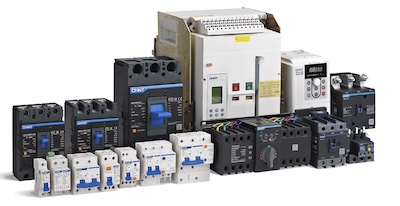
Is Your Business Ready to Integrate an Air Circuit Breaker?
As industrial and commercial sectors continue to evolve rapidly, maintaining the safety and efficiency of electrical systems has become increasingly vital. Businesses face increasing demands for reliable power distribution, enhanced protection, and sustainable operations. One essential component in achieving these objectives is the air circuit breaker (ACB), a solid solution designed to protect electrical circuits from damage caused by overloads, short circuits, or equipment failure.
But how do you know if your business is ready to integrate an air circuit breaker into its infrastructure? In this article, we will explore the benefits of air circuit breakers, key considerations for integration, and how to determine if now is the right time for your organisation to make the switch.
Key Benefits of Air Circuit Breakers
Integrating an air circuit breaker into your business’s power infrastructure offers several advantages:
- High Interrupting Capacity
ACBs can handle large fault currents, making them suitable for systems with high power demands. This ensures continuous operation even in challenging environments.
- Enhanced Safety
The use of air as the arc quenching medium reduces the risk of fire or toxic exposure. Modern ACBs also include features such as arc chutes, safety interlocks, and remote operation to minimise risks further.
- Advanced Monitoring and Control
Many air circuit breakers come equipped with intelligent electronic trip units that allow real-time monitoring, fault diagnostics, and communication with building management systems. This level of automation leads to quicker fault identification and reduced downtime.
- Longevity and Ease of Maintenance
Air circuit breakers typically have a longer service life and lower maintenance requirements compared to older systems. The modular design of modern ACBs facilitates easy replacement of parts and periodic servicing.
- Sustainability
As businesses strive to reduce their environmental impact, air circuit breakers offer a greener alternative by eliminating the need for oil or SF6 gas, both of which have associated environmental risks.
Signs Your Business Is Ready for an ACB Integration
Determining readiness involves evaluating your current infrastructure, operational needs, and long-term goals. Here are some indicators that your organisation might benefit from adopting an air circuit breaker:
- Aging Electrical Infrastructure
Suppose your facility relies on outdated or conventional circuit protection methods, such as fuses or oil circuit breakers. In that case, you may be exposed to higher risks of failure and increased maintenance costs. Replacing these with ACBs can modernise your system and improve reliability.
- Increasing Energy Loads
Businesses experiencing growth often see a rise in energy consumption. Air circuit breakers are designed to manage higher loads safely and efficiently, making them ideal for expanding operations.
- Focus on Operational Efficiency
If improving uptime, reducing repair times, and lowering operational costs are among your priorities, ACBs, with their advanced monitoring features, offer a strategic advantage.
- Regulatory Compliance
Regulatory bodies are tightening safety and environmental standards. Installing compliant air circuit breakers can help your business meet local and international electrical safety standards.
- Digital Transformation Initiatives
Many ACBs are compatible with smart grid systems and IoT-enabled platforms. If your business is pursuing digitalisation or Industry 4.0 initiatives, integrating ACBs supports your broader technological goals.
Planning for Integration
If you’ve identified a need for upgrading to an air circuit breaker, the next step is proper planning and implementation. Here are a few critical steps to consider:
- Assessment and Design
Conduct a thorough assessment of your existing electrical system to identify pain points, load requirements, and space constraints. Work with a qualified electrical engineer to design a solution tailored to your operational needs.
- Choosing the Right Breaker
There are various types and specifications of air circuit breakers available. Factors such as rated voltage, current capacity, breaking capacity, and control features must be carefully considered when selecting the right model.
- Installation and Commissioning
Engage a professional installation service to ensure compliance with safety regulations and manufacturer guidelines. Proper commissioning is essential to verify performance under load conditions.
Embracing Modern Electrical Protection for a Resilient Future
As businesses face increasing demands for reliability, safety, and sustainability in their operations, integrating an air circuit breaker is a logical step forward. With their superior fault-handling capabilities, modern features, and alignment with environmental goals, ACBs are a forward-thinking choice for today’s dynamic power systems.
If your business is ready to transition to more reliable and intelligent electrical protection, investing in air circuit breakers could be one of the most strategic decisions you make this year. Collaborate with industry experts and make sure the integration process is backed by thorough planning and technical support to realise the benefits of this essential upgrade fully.