
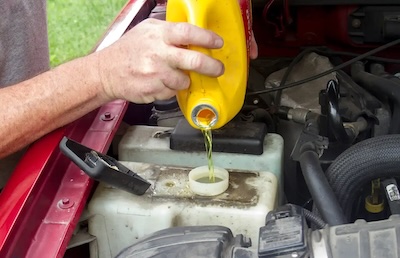
How Old Coolant Can Lead to Engine Damage
Coolant is one of the most vital fluids in your vehicle, yet it’s often one of the most neglected. Many drivers change their oil regularly but go years—sometimes even a decade—without considering the condition of their coolant. Over time, coolant breaks down, becomes contaminated, and loses its protective qualities. When that happens, engine temperatures rise, corrosion forms inside the cooling system, and expensive damage begins long before any warning lights appear. If you’re inspecting your cooling system or planning a flush, replacing key components such as your car thermostat ensures that coolant flows correctly throughout the system.
The cooling system is designed to regulate engine temperature by circulating coolant through the engine block, radiator, heater core, hoses, and thermostat. When coolant becomes old or contaminated, this circulation weakens. The result? Overheating, internal corrosion, leaks, and in severe cases, complete engine failure. Understanding the risks of neglected coolant and learning how to maintain it properly can save thousands of dollars in repairs and extend the life of your vehicle.
What Contaminated Coolant Does Internally
Coolant isn’t just dyed water—it’s a carefully engineered mixture of antifreeze and additives designed to prevent corrosion, regulate temperature, and protect the cooling system. When coolant becomes old, the additives break down and the chemical balance becomes unstable. This allows rust, sludge, and scale to form inside critical components.
1. Corrosion of Internal Metal Surfaces
Coolant contains anti-corrosion inhibitors that protect aluminum heads, steel blocks, water pump bearings, and radiator cores. When coolant ages, these inhibitors weaken, allowing oxygen and moisture to attack metal surfaces. Corrosion flakes can then break off and travel through the cooling system, causing clogs.
2. Clogged Radiator Tubes
Rust particles and sediment accumulate inside the radiator. These narrow passages are essential for heat transfer, but once clogged, they reduce the radiator’s ability to cool the engine. Over time, the radiator becomes restricted, leading to hotter running temperatures—and eventually, overheating.
3. Water Pump Wear and Failure
A contaminated coolant mixture increases friction within the water pump. Abrasive particles wear down the impeller blades, weaken the seal, and create wobbling or coolant leaks. Water pump replacement is much more expensive than routine coolant maintenance.
4. Thermostat Malfunction
Old or contaminated coolant can cause the thermostat to stick open or closed.
- A stuck-closed thermostat traps coolant inside the engine, causing overheating within minutes.
- A stuck-open thermostat prevents the engine from reaching its optimal temperature, lowering fuel efficiency and degrading performance.
5. Heater Core Clogging
Sediment accumulates inside the heater core, restricting flow. This not only reduces cabin heat but also creates pressure that can cause the heater core to leak inside the dashboard—one of the messiest and most expensive cooling system failures.
6. Head Gasket Damage
As overheating becomes more frequent due to clogged components, the head gasket endures extreme thermal stress. Eventually, it can warp or blow, allowing coolant and oil to mix. A blown head gasket is one of the most costly engine repairs.
If you’re recharging your A/C system at the same time or checking refrigerant levels during your inspection, choosing the correct r134a refrigerant ensures safe and proper A/C maintenance while you diagnose cooling performance.
How to Flush and Refill at the Right Time
A coolant flush is one of the most important maintenance tasks for preventing engine damage. It removes old fluid, flushes out contaminants, and restores the chemical balance needed to protect the cooling system.
1. Replace Coolant Every 2–5 Years
Different vehicles have different coolant formulations.
- Conventional green coolant: every 2 years
- Extended-life coolant (OAT/HOAT): every 5 years
Even long-life coolants degrade over time due to heat cycles and contamination.
2. Perform a Complete Coolant Flush, Not Just a Drain
A simple drain only removes about 30–40% of old coolant. A full flush replaces nearly all coolant by pushing fresh fluid through the system, clearing sediment from the radiator, heater core, and block.
3. Bleed Air Pockets After Refilling
Air pockets block coolant circulation and cause overheating. Bleeding the system removes trapped air, ensuring proper flow.
4. Use the Correct Coolant Type
Mixing coolant types can cause chemical reactions and sludge formation. Always match the manufacturer’s recommended formulation.
5. Inspect Hoses and Clamps During Every Flush
Old hoses can swell, crack, or collapse internally. Clamps loosen over time and cause small leaks that eventually become major problems.
6. Replace the Thermostat Every 75,000–100,000 Miles
Thermostats weaken with age. Replacing them proactively reduces the risk of cooling failures.
7. Check Radiator Cap Pressure
A failing radiator cap can’t maintain the required pressure, causing coolant to boil at a lower temperature.
If overheating persists after your flush or if you suspect hidden leaks, scheduling an inspection with a mechanic shop near me helps diagnose deeper problems like head gasket leaks or internal block corrosion.
Early Warning Signs of Coolant Trouble
Coolant problems rarely appear suddenly. Before major issues occur, several early signs indicate that the coolant is degrading or circulation is restricted:
- rising temperature gauge
- sweet coolant smell near the engine
- visible rust or brown coolant
- fluctuating cabin heat
- overheating only at idle
- white smoke from the exhaust
- coolant puddles under the vehicle
- pressure in the coolant reservoir
Ignoring these symptoms accelerates wear and increases the likelihood of major failures.
Conclusion
Old or contaminated coolant has serious consequences for your engine. As coolant breaks down, it loses its ability to prevent corrosion, control temperatures, and protect important components such as the radiator, water pump, heater core, and head gasket. Regular coolant flushes, thermostat replacement, and system inspections are essential for preventing overheating and extending engine life. By staying ahead of coolant maintenance and addressing early warning signs, you protect your vehicle from costly repairs and ensure reliable performance mile after mile.