|
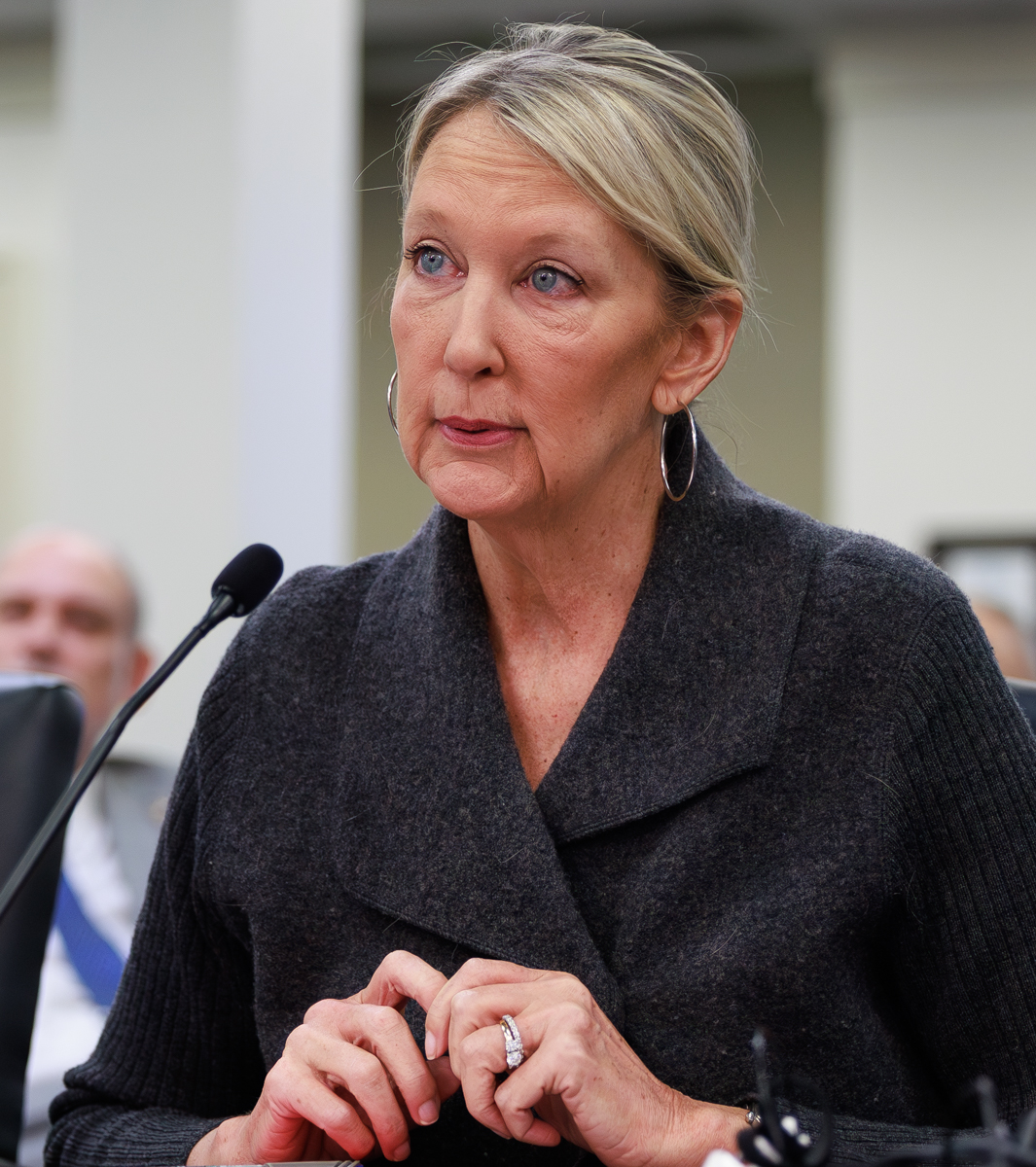
FRANKFORT, Ky. (Feb. 5, 2026) — A bill to ensure that classroom teachers aren’t left behind when school districts consider pay raises for administrators was unanimously advanced Thursday by the Senate Education Committee.
Bill sponsor Sen. Julie Raque Adams, R-Louisville, said Senate Bill 2 reflects a core principle – that compensation decisions should align with classroom priorities while still respecting local governance and flexibility. The legislation would establish a clear, reasonable standard without eliminating existing waiver options already permitted under Kentucky law, she said.
“Specifically, the bill prohibits school administrators from receiving a percentage pay increase greater than the average percentage pay increase provided to classroom teachers in that district,” she said.
The bill would reinforce fairness in compensation practices across school systems and reflect the value of classroom instruction in district-level decision making, Adams said.
Adams said the bill would not eliminate local control over compensation decisions and would not cap salaries or mandate specific pay raises. Additionally, it would not prevent districts from rewarding leadership or compensation for increasing responsibilities provided that those decisions remain balanced and fair to teachers.
“Classroom teachers are the center of student learning and school success. When compensation decisions favor administrative growth over classroom instruction, it can undermine morale, trust and long-term workforce stability,” she said.
Senate Bill 2 is designed to promote fairness and transparency, support teacher recruitment and retention and reinforce public confidence in education funding decisions,” Adams said.
Senate Minority Caucus Chair Reginald L. Thomas, D-Lexington, said he supports the bill, but retaining talent is highly important. He asked if the bill would prevent a school board from renegotiating the salary of a superintendent if that superintendent was being recruited by other communities.
“We do that in any organization, whether we’re talking about Fortune 500 companies or in major sports leagues across this country or in any endeavor. If you have talent, and that talent threatens to go somewhere, you should want to take time or make time to try to retain that talent,” he said.
Adams said the waiver option would be available in those cases.
“If that district wants to maintain that superintendent, and they feel that a funding decision is important in that retention, then they have that waiver option within this bill to make that decision. But that decision will be transparent, and everyone will know that’s what’s happening,” she said.
Senate President Pro Tempore David P. Givens, R-Greensburg, said teachers are the backbone of schools.
“Let’s not kid ourselves – the rubber meets road where the teachers are in the classroom and meeting those kids day in and day out and I applaud all of those teachers,” he said. “And thank you for leading on this legislation that effectively says whatever you’re going to increase in administrators’ pay, you’ve got to increase that teachers’ pay by that much or more,” he said.
Sen. Stephen Meredith, R-Leitchfield, said from a rural perspective, more focus might be needed on principals rather than superintendents. He said finding and keeping talent is a growing challenge, and he expressed concern that rural districts can’t react quickly enough to increased salaries in urban areas.
“I’m concerned about the unintended consequences for rural communities. I understand what you’re trying to accomplish, and I applaud that and I support that. I just don’t think this is the vehicle to do it,” he said.
Givens said his understanding is the waiver process is expedited very quickly.
Senate Democratic Floor Leader Gerald A. Neal, D-Louisville, said he’s concerned districts aren’t fully funded in general.
Sen. Steve Rawlings, R-Burlington, said years ago when Japan was experiencing expansive economic development, he heard a story about how chief executive officers couldn’t make more money than nine times what the very lowest-paid person could make.
“I definitely support this bill. I like the context and manner and the thoughtfulness for which it’s done. So, I’m a yes vote,” he said.
|