Lower prices will save taxpayers an estimated $6 billion and reduce out-of-pocket spending around $1.5 billion, according to government estimates
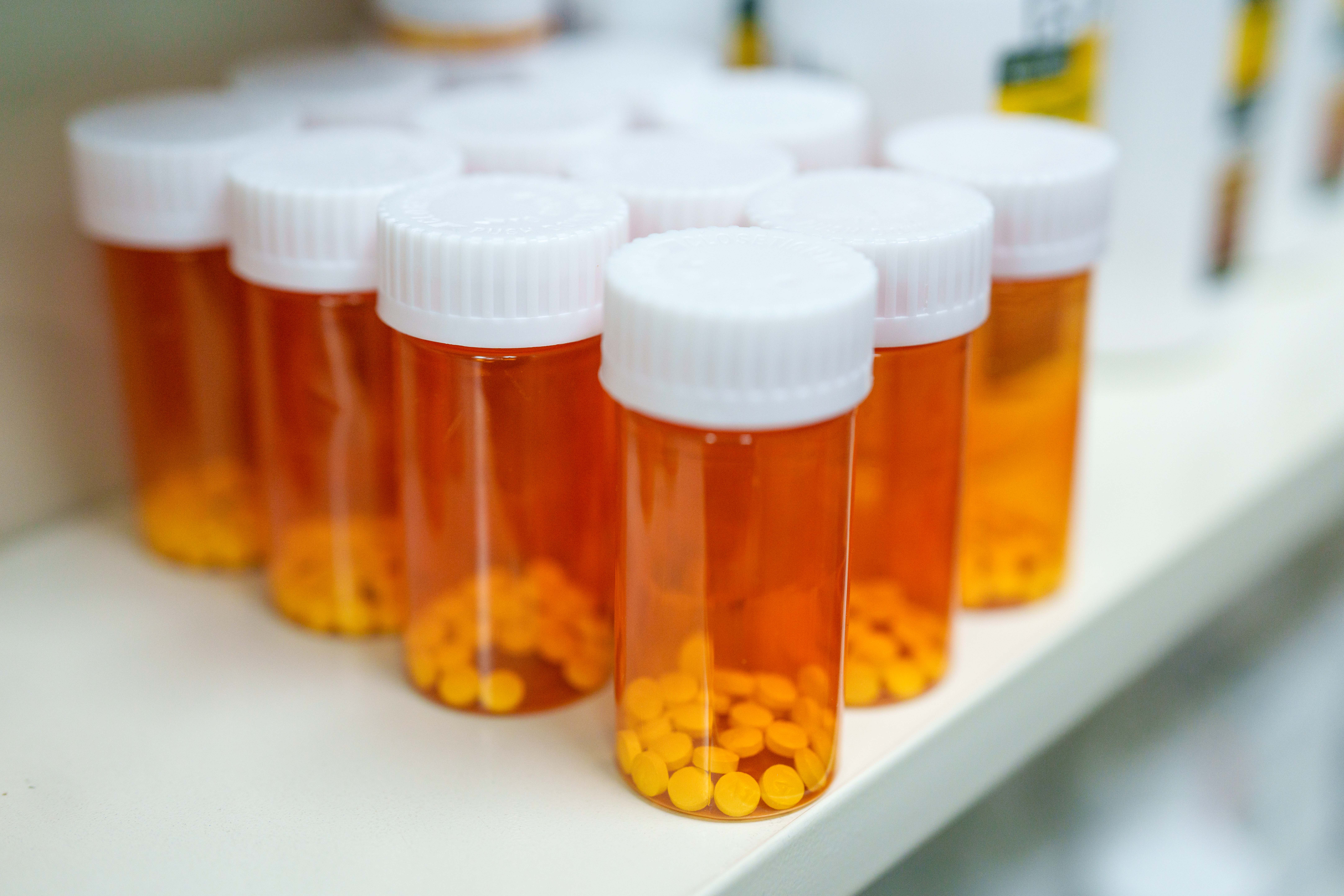
Medicare beneficiaries will see discounts averaging 63 percent on 10 frequently prescribed medications starting this month due to the Medicare Drug Price Negotiation Program.
The program, authorized by the Affordable Care Act in 2022, made it possible for Medicare to negotiate with pharmaceutical companies for the first time.
The result of that initial negotiation took effect on Jan. 1, lowering the price on medications prescribed to nearly one in six Medicare beneficiaries in 2023.
Patient advocate Merith Basey of Patients For Affordable Drugs said the negotiation brought overdue accountability to pharmaceutical manufacturers who have long charged higher prices to U.S. customers than to those in other countries.
“This is a historic step, but it cannot be the last,” Basey said in a Jan. 1 statement. “Medicare negotiation must be protected, strengthened, and expanded so affordable medicine becomes the rule, not the exception.”
Taxpayers Save an Estimated $6 Billion
The first round of price reductions applies to Imbruvica, Stelara, Enbrel, Entresto, Eliquis, Jardiance, Xarelto, Farxiga, Fiasp/NovoLog, and Januvia, which were prescribed to some 8.8 million Medicare patients in 2023.
Discounts from the price for each drug range from 29 percent for Imbruvica to 79 percent for Januvia.
If the 2026 prices had been offered in 2023, the Centers for Medicaid and Medicare Services estimates that the program would have saved $6 billion in drug costs, an overall reduction of about 22 percent in spending for the 10 medications.
Medicare Part D spending on prescription drugs totaled $56.2 billion in 2023.
The reduced prices are offered to all Medicare beneficiaries with prescription drug coverage, either through Medicare Part D, an optional coverage that may be added to Medicare Part B, or through Medicare Part C, also called Medicare Advantage.
Medicare Advantage plans are operated by commercial insurance companies and include all Medicare Part B services. Some plans include coverages not offered through Part B alone, such as prescription drug, hearing, or vision coverage.
Enrollees in Medicare Advantage must pay the commercial carrier’s premium, if any, in addition to their Medicare Part B premium.
About half of all Medicare beneficiaries are enrolled in a Medicare Advantage plan.
.
Beneficiaries See Immediate Impact
Medicare beneficiaries in Part D alone paid nearly $19 billion out-of-pocket on prescription drugs, including $3.9 billion for the 10 medications that now have reduced prices.
The drugs are consumed by some 8.8 million Medicare patients, who are responsible for copayments of up to $2,000 per year on prescription drugs.
Many beneficiaries are already feeling the impact of the discounts.
For Judy Aiken, who takes Enbrel and other medications to treat psoriatic arthritis, the copayments meant thousands in out-of-pocket spending each January.
“I never really knew what the copay would be,“ Aiken, 71, of Portland, Maine, told The Epoch Times. ”Because they were always changing the prices.”
With the reduced prices in effect, Aiken, a retired nurse, said she’ll have more time to come up with the cash.
“I think I will hit my cap in either February or March,” she said. Knowing that ahead of time allowed her to make some home repairs last year.
“And it’s made it a whole lot easier, with grocery prices skyrocketing,” she added.
Drug Makers Continue to Fight
The pharmaceutical industry has resisted the Medicare Drug Price Negotiation Program, calling it “bureaucratic overreach.”
“[Inflation Reduction Act] price-setting is not negotiation,” according to the policy agenda of Pharmaceutical Research and Manufacturers of America, the drug manufacturer’s trade association.
The Centers for Medicare and Medicaid Services disputes that claim, saying it had engaged in good-faith negotiations with the participating companies, which included written offers, counteroffers, and several negotiation meetings for each drug.
The drug makers stated policy aim is to “prevent further expansion of government price setting and maintain patient choice of medicines,” saying the law resulted in reduced coverage, higher premiums, and fewer plan options for Medicare Advantage patients.
Dr. Mehmet Oz, administrator of the Centers for Medicare and Medicaid Services, said Medicare Part C, referred to as Medicare Advantage, had stable plan offerings and lower premiums for 2026.
“Millions of Medicare beneficiaries will continue to have access to a broad range of affordable coverage options in 2026,” Oz said in a Sept. 26 statement.
The average monthly premium for Medicare Advantage plans decreased from $16.40 in 2025 to $14 in 2026.
More Savings Next Year
Next year, the price of 15 more drugs will be reduced for Medicare patients. The second round of negotiated prices will cover Ozempic, Trelegy Ellipta, Xtandi, Pomalyst, Ofev, Ibrance, Linzess, Calquence, Austedo, Breo Ellipta, Xifaxan, Vraylar, Tradjenta, Janumet, and Otezla. Discounts range from 38 percent for Austedo to 85 percent for Janumet.
These drugs were prescribed to about 5.2 million Medicare beneficiaries in 2024.
Beneficiaries could save about $685 million on those drugs in 2027, according to an estimate by the Centers for Medicare and Medicaid Services.