
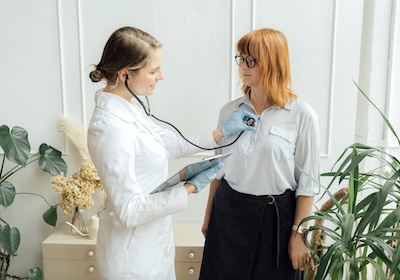
When you think of healthcare innovation, you probably picture someone in a white lab coat hunched over a microscope. Or maybe a CEO unveiling the next big wearable. But some of the most transformative changes in modern medicine are being led by women who saw cracks in the system and decided to build something better.
And they’re not shouting about it. They’re rolling up their sleeves, listening to patients, and shifting the foundation of care itself.
These innovators aren’t just changing medicine. They’re changing how medicine feels. More human, more inclusive, and more effective. Their stories prove that meaningful change doesn’t have to come with fanfare and vigorous applause. Sometimes it starts with a simple, powerful question:
What if we did this differently?
The Women Leading the Charge
Dr. Nadine Burke Harris was already a successful pediatrician when she started connecting the dots between childhood trauma and lifelong illness. Her groundbreaking work on Adverse Childhood Experiences (ACEs) revealed that toxic stress in childhood could increase the risk of everything from heart disease to cancer.
Her TED Talk has been viewed over 7.5 million times, and in 2019, she became California’s first-ever Surgeon General, bringing her research into statewide policy.
Then there’s Julie McCurley-Smith, Infection Prevention Manager at Norman Regional Health System. Recognizing the challenges of manual infection tracking, she championed the adoption of Sentri7, an advanced infection prevention system. This technology transformed their approach, enabling real-time surveillance and proactive measures to prevent healthcare-associated infections.
McCurly-Smith’s leadership not only streamlined workflows but also significantly enhanced patient safety across the system.
Dr. Amy Baxter, a pediatric emergency physician, founded Pain Care Labs to tackle the often-overlooked issue of needle pain and fear. She invented Buzzy, a device combining cold and vibration to block pain signals during injections, which has been used in over 114 million procedures across 28 countries. Building on this success, she developed VibraCool, a wearable device designed to alleviate musculoskeletal pain.
These women didn’t wait for the system to catch up. They moved it forward.
Why These Innovations Matter Now More Than Ever
Let’s be real. The healthcare system doesn’t work equally for everyone. From diagnostic delays to biased clinical trials, women—especially women of color—are often left out of the conversation.
And when profit or speed is prioritized over patient safety, the stakes get even higher.
Recently, medical device failure has raised serious concerns. The prevalence of these issues shows that while many medical innovations improve lives, some highlight an urgent need for better oversight and human-centered design. The Bard PowerPort lawsuit is one such example, where the very thing meant to save lives is what’s causing harm.
Innovation in healthcare, specifically the kind that centers patients over profit, addresses oversights like this one head-on. The root of the Bard problem is design and manufacturing defects endangering patients with infections, blood clots, and other serious health issues.
This serves as a reminder that real progress in healthcare only happens when we have thoughtful design, patient safety, and accountability in the same sentence. This is where women-led initiatives shine… by centering empathy, listening closely to patient feedback, and building solutions that aren’t just functional, but safe, inclusive, and resilient.
Building a System That Works for Everyone
Women make up a staggering 70% of the global healthcare workforce. You can sense the “but” coming… They make up just 25% of leadership roles. That’s a major disconnect, because the people who are closest to the day-to-day challenges of patient care often have the best ideas for how to solve them.
Thankfully, that’s starting to change. Organizations like WomenLift Health are actively supporting women into senior roles. Not just to balance the scale, but to bring in new perspectives. And venture funds like Portfolia and The Case for Her are backing female-led startups focused on everything from menstrual health to maternal safety.
We’re also seeing women lead innovation at the grassroots level. Think community doulas creating culturally competent birth plans, or nurses developing mobile health apps for rural patients. These aren’t one-off stories but signs of a larger movement.
The Revolution Will Be Human
Technology is great. But compassion, insight, and lived experience? Those are the true catalysts of meaningful change. And more often than not, they come from women who understand that healthcare is about more than prescriptions and procedures. It’s about trust, access, and dignity.
So no, this isn’t just a story about women in science. It’s about women shaping the future of care. Quietly, boldly, and with more humanity than ever before.
And honestly? It’s about time.