|
FRANKFORT, Ky. (Dec. 11, 2025) — Medicaid Oversight and Advisory Board members on Wednesday received a Medicaid fraud and abuse control update – along with a chance to ask several questions.
Rewa Zakharia, criminal chief of the Kentucky attorney general’s Criminal Division, said 53 Medicaid fraud control units operate in the United States, and each state has one. They are governed by both state and federal laws and regulations.
Testifying with Zakharia was Matt Kleinert, executive director of the AG’s Office of Medicaid Fraud and Abuse Control. Kleinert said a wide variety of Medicaid fraud is happening in Kentucky.
“Behavioral health services – I can’t tell you the number of investigations I have open on that right now. It’s a real concern. We also see, unfortunately, a lot of Medicaid waiver participant-directed services fraud,” he said.
Kleinert said some family members turn in duplicate time sheets or claim to provide participant directed services while working a full-time job.
Kleinert said there are also allegations of fraud regarding medically assisted treatments. There are also cases of controlled substance violations in which unnecessary prescriptions are billed to the program.
“One of the things that is exceedingly difficult to estimate is the amount of fraud,” he said. “In late 2024, CMS estimated that 5% of Medicaid payments were what could be classified as improper payments. An improper payment is a payment that otherwise should have not been made. So, while all fraud payments are by definition improper payments, not all improper payments are fraud,” he said.
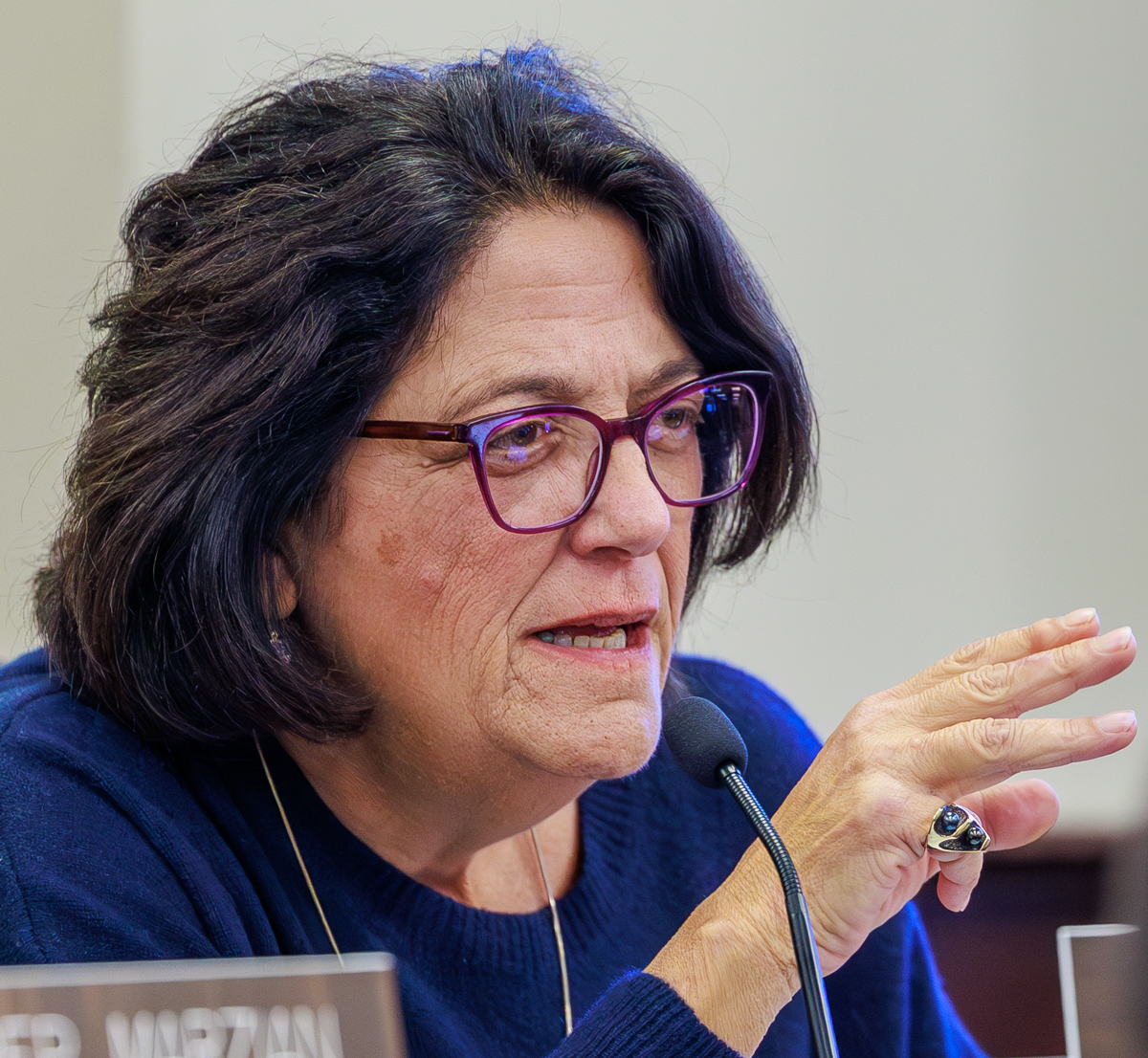
Sen. Karen Berg, D-Louisville, said as more home-based Medicaid services are utilized, the ways family members and others are examined for possible abuse, neglect and fraud need to be changed. She said nursing homes and other facilities are scrutinized.
“When we start spending this money on individual home-based services and mostly reimbursing family members for these services, I am really concerned that we are going to have elderly, vulnerable people at risk for abuse and neglect at a level that we haven’t seen before in this state,” she said.
Sen. Danny Carroll, R-Paducah, asked about the process that MCOs use when they have allegations of fraud.
Kleinert said MCOs will identify potentially fraudulent activity and then the state Office of the Inspector General Division of Audits and Investigations will work with the Medicaid program to determine if the allegation is credible.
If so, the referral moves to Kleinert’s office to determine whether it merits opening an investigation, Kleinert said.
Rep. Wade Williams, R-Earlington, asked about the scale of criminal referrals the attorney general’s office has received.
Kleinert said his office received 58 reports from the Medicaid fraud hotline via telephone or the office’s website, and during the same period, the office opened six cases as a result of MCO referrals. Four other MCO referrals were not accepted for opening active cases.
|